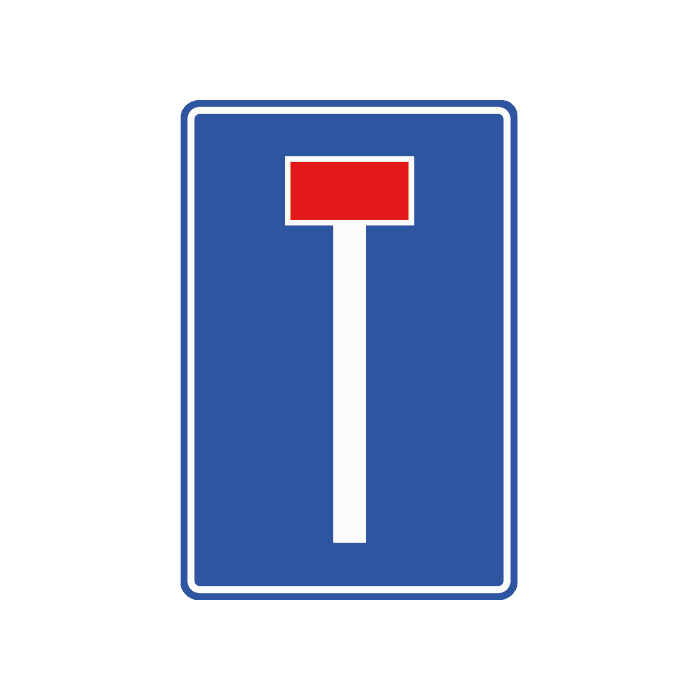
The L8 road sign, often called a cul-de-sac or no through road sign, clearly indicates that the road ahead does not connect to another street. This sign is designed to prevent unnecessary traffic from entering dead-end streets. While the road ends, it does not mean you cannot enter; local access for residents, deliveries, or visitors is still permitted. Pay attention to any supplementary pictograms which might indicate a separate path for cyclists or pedestrians.
Understanding the L8 dead-end road sign meaning is crucial for efficient navigation and safe driving in the Netherlands, helping you avoid unexpected turnarounds. This traffic sign explanation is vital for your Dutch driving theory test, ensuring you can correctly interpret road conditions and plan your route effectively.
The dead end road sign is used mainly on residential streets and access roads to industrial areas to prevent unnecessary through traffic and reduce disturbance. It means the road stops for motor vehicles, although pedestrians and cyclists may sometimes continue via a path or track, which can be shown on a supplementary plate. Drivers entering should reduce speed, be prepared to turn in the provided area and watch carefully for playing children or reversing vehicles.
This sign indicates that the road you are entering has no through connection for motor vehicles and ends in a dead end. You may still use the road for local access, but you should not choose it as a through route and you should anticipate turning around safely at the end, often in a turning circle or widened head.
Get clear, practical answers to the most common questions about the L8 - Dead-End Road (Cul-de-sac) road sign. Learn how the sign works, what rules it represents, and how it affects real driving situations. This FAQ strengthens your understanding and supports accurate decision making for the Dutch driving theory exam in the Netherlands.
The L8 sign's main purpose is to inform drivers that the road does not have an exit or through connection. It helps to reduce unwanted traffic in residential areas and ensures drivers are aware they will need to turn around.
Yes, you can enter a road marked with the L8 sign, but only if you have a valid reason, such as being a resident, making a delivery, or visiting someone. It is not intended for drivers looking for a shortcut or expecting to pass through.
If you enter a dead-end road, you should look for a designated headland or suitable safe area to turn around. Avoid making dangerous turns or U-turns, especially if space is limited or traffic is present. Some notes suggest avoiding long vehicles if possible due to limited turning space.
The primary exception is for local access. Also, some cul-de-sacs may have separate paths indicated by supplementary pictograms for bicycles or pedestrians, allowing them to pass through even if the road itself ends for motorised traffic.
A common exam trap is assuming the L8 sign means you must stop or are prohibited from entering at all. Learners might also forget to consider supplementary signs, or they might not understand that local access is permitted. Always remember to look for further instructions or pictograms.
A clear reference image of the L8 - Dead-End Road (Cul-de-sac) road sign used in the Netherlands.
The L8 - Dead-End Road (Cul-de-sac) road sign may also be known by these alternative names or terms.
The L8 - Dead-End Road (Cul-de-sac) road sign is part of the Information Signs (L) category, which groups together signs with similar rules and functions.
Understanding the distinctions between similar traffic signs, like this L8 Dead-End Road sign and others, sharpens your recall and reduces exam errors. Reviewing these related signs actively aids your theory test revision and improves overall sign recognition.
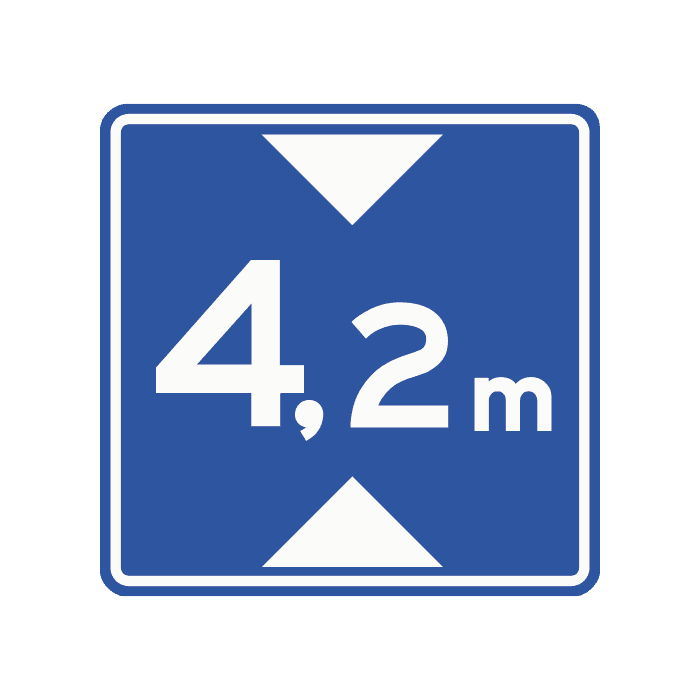
Watch out for low bridges with the L1 Underpass Height warning sign!
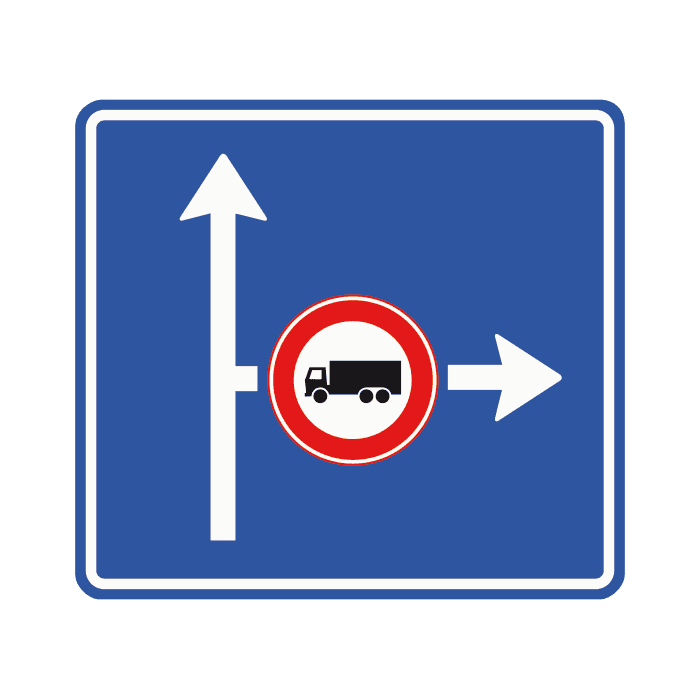
Get Ready for Traffic Measures Ahead with the L10 Sign
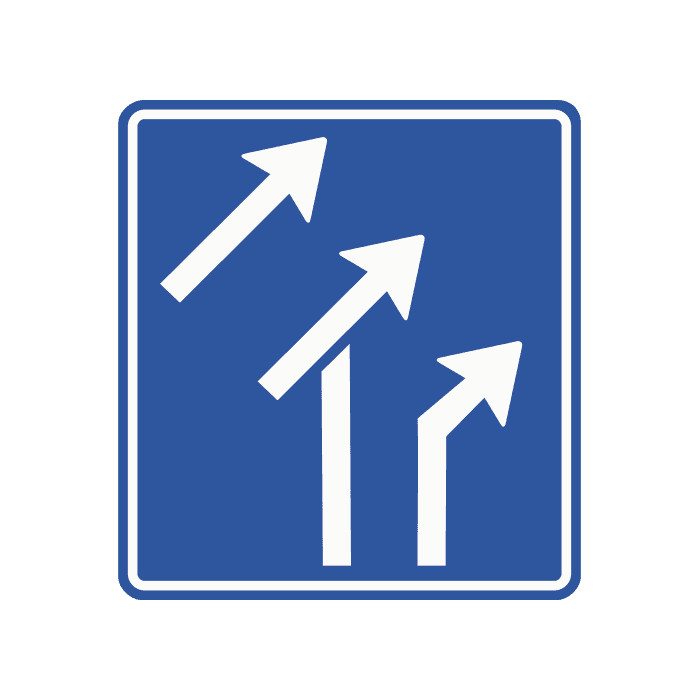
Navigating the L101-3 Taper Insertion Sign: Merging Two Lanes into One
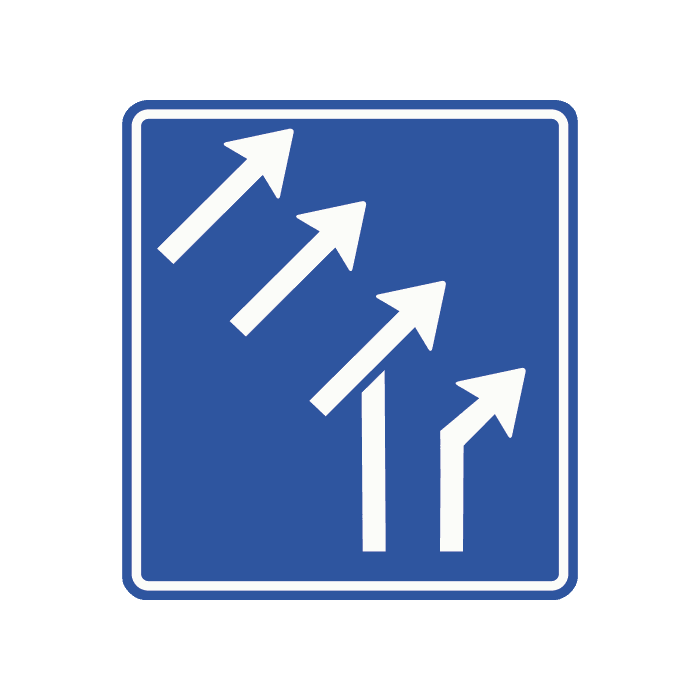
Master Lane Merges with the L101-4 Taper Insertion Sign
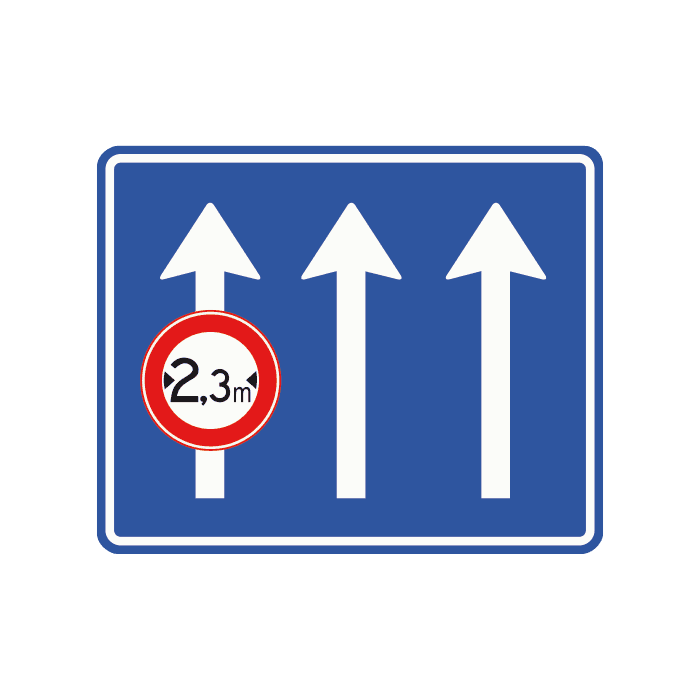
L11: This Sign's Information Is Only For The Lanes Shown
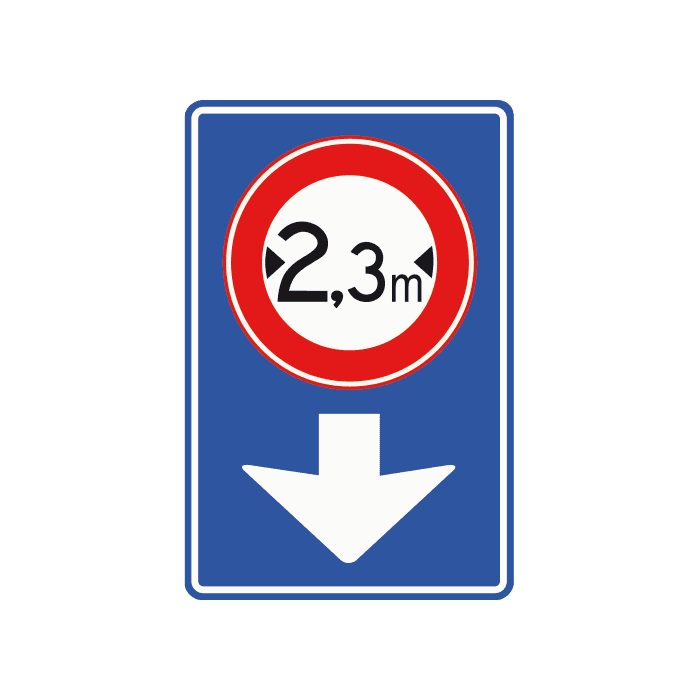
The L12 sign tells you information applies only to the specific lane indicated.
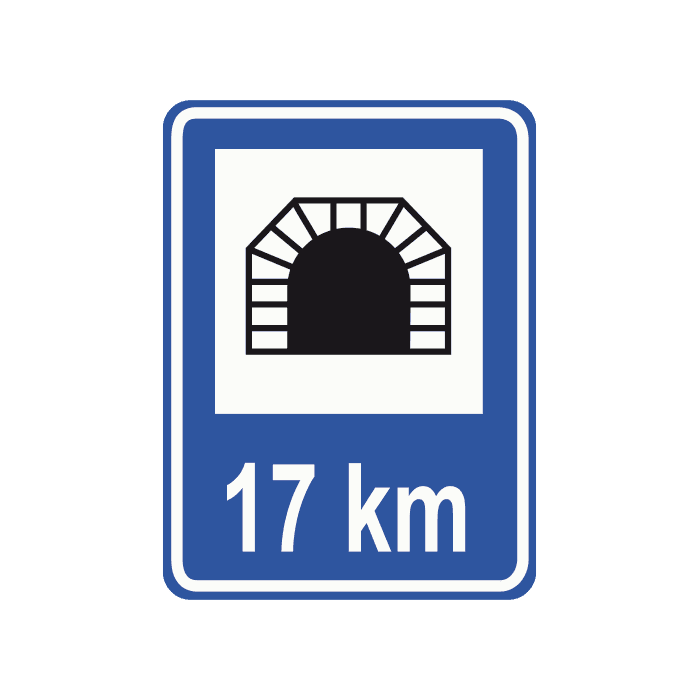
Prepare for tunnels: The L13 Traffic Tunnel sign means reduced visibility and specific rules apply.
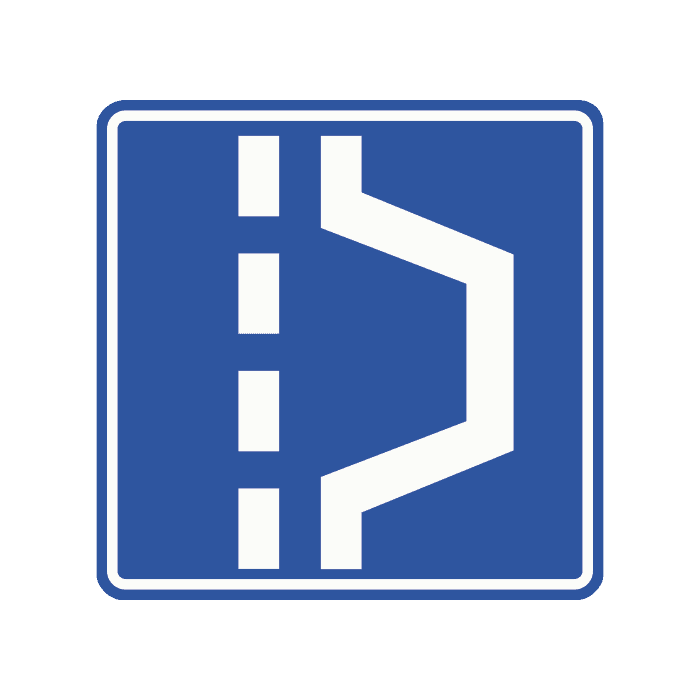
The L14 Lay-By sign marks a safe place to stop in emergencies.
After reviewing the full list of Dutch road signs, deepen your understanding by exploring signs organized by category or practicing with targeted questions. This systematic approach ensures you fully grasp every sign's meaning and application, preparing you thoroughly for your CBR driving theory exam.
View All Dutch Road Signs