
Dive into the core principles of Dutch traffic law and safe driving behavior. This central hub provides clear explanations of all vital theory topics, from complex priority rules to understanding specific road signs. Develop a complete and accurate grasp of the concepts required to confidently pass your official CBR driving theory test in the Netherlands.
Seamlessly browse hundreds of official Dutch theory topics to deepen your driving theory knowledge and prepare for the CBR exam. This structured approach helps clarify complex traffic rules, master road signs, and effectively revise common theory test questions for your licence.
Filter by category
50 theory topics found
Consuming alcohol significantly impairs the skills required to drive safely, increasing the risk of accidents. Even small amounts of alcohol can negatively affect your reaction time, judgment, coordination, and perception. This section details these effects and explains why it is strictly forbidden to drive under the influence, adhering to Dutch traffic regulations.
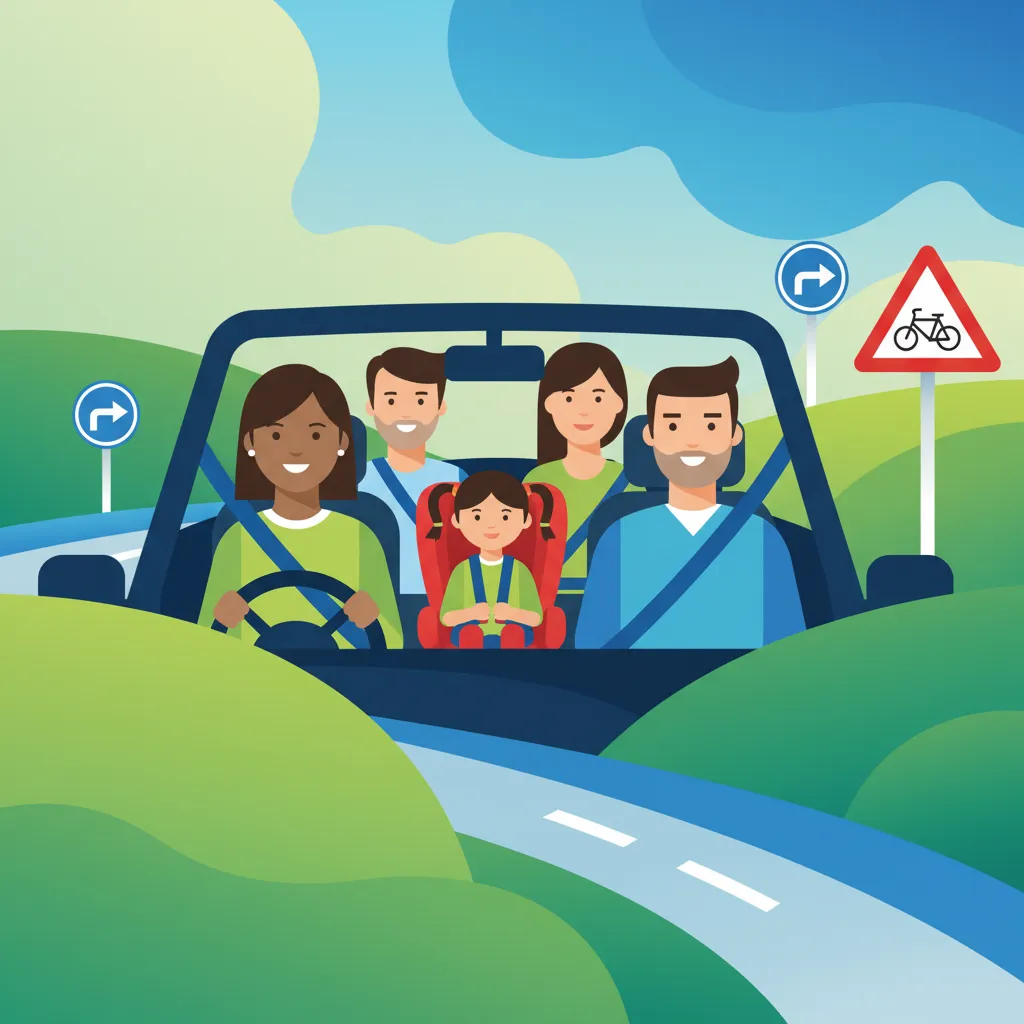
Seat belts are the most effective safety device in a vehicle, designed to protect all occupants during sudden stops or collisions. In the Netherlands, wearing a seat belt is mandatory for virtually all drivers and passengers. This page explains these crucial rules, why they are so important, and how to ensure you and your passengers are always secured correctly according to CBR standards.
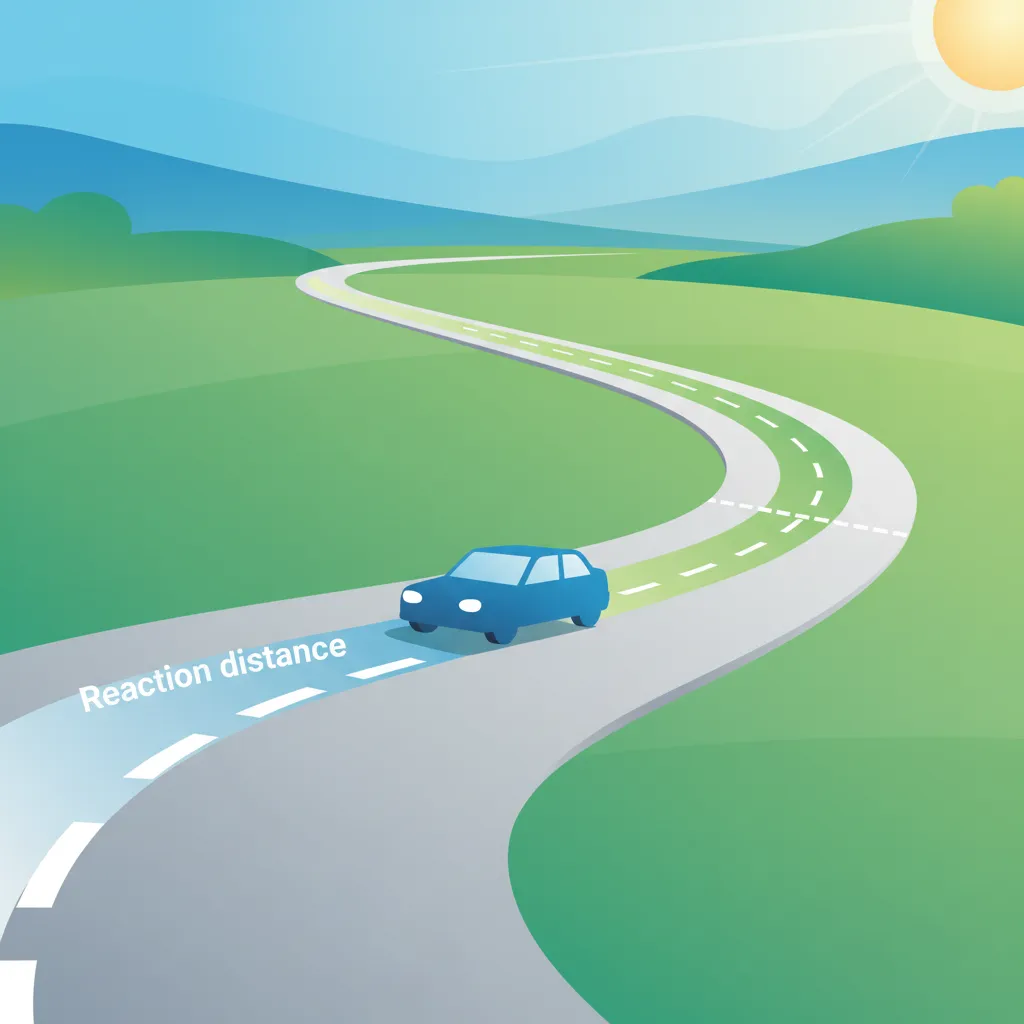
When you're driving, the total distance your vehicle needs to stop is comprised of two parts: the distance you travel while reacting to a hazard, and the distance you travel while actively braking. Both of these components are directly influenced by your speed. It's crucial to understand that stopping distance doesn't increase proportionally with speed; even a slight increase in speed can dramatically extend the distance required to come to a complete stop.
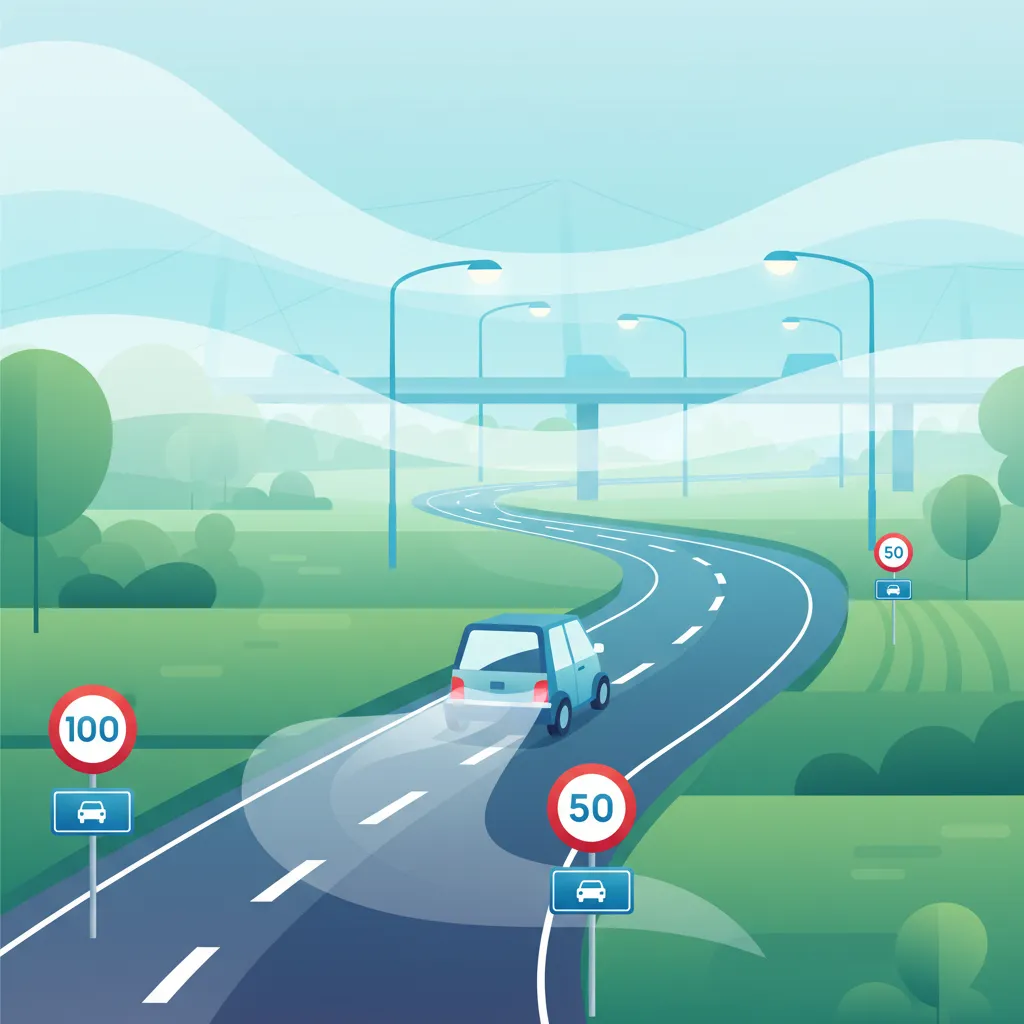
In the Netherlands, speed limits are clearly defined legal maximums that vary significantly across different road environments. While these limits set the fastest you are allowed to drive, the core principle of Dutch traffic law emphasizes that your speed must always be adapted to ensure safety. This means drivers must constantly assess conditions and often drive below the posted maximum.
Driving demands your full attention, yet mobile phone use is a primary cause of driver distraction in the Netherlands. This page explains why using any mobile communication device—even hands-free—can impair your ability to perceive hazards, react quickly, and maintain control of your vehicle. You'll learn the specific prohibitions and the crucial difference between legally allowed and genuinely safe behaviour.

In the Netherlands, specific rules dictate when pedestrians have priority over vehicles. This ensures the safety of vulnerable road users. It's crucial for drivers to recognize these situations, especially at marked pedestrian crossings (zebra crossings) and when turning at intersections, to prevent accidents and comply with traffic laws.
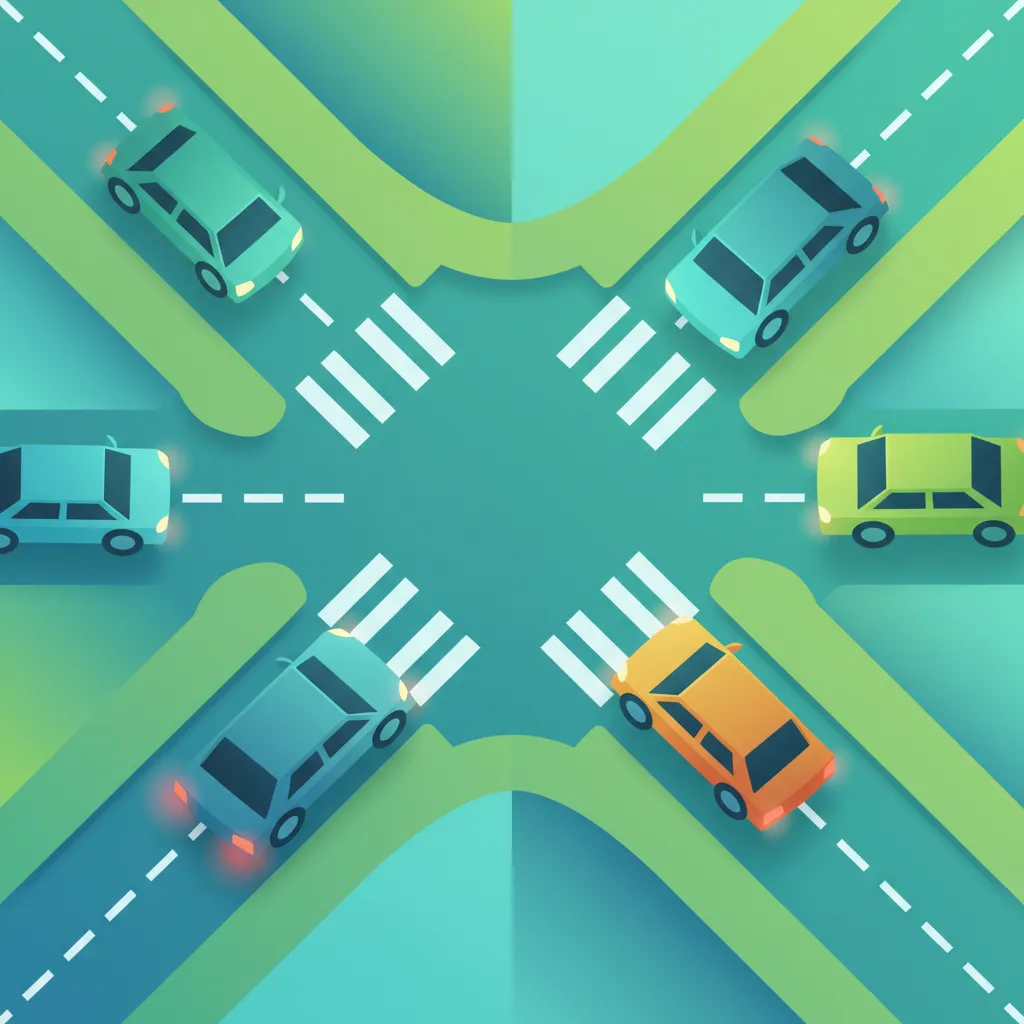
At many intersections in the Netherlands, you won't find traffic lights, priority signs, or clear road markings. In these situations, knowing how to determine priority is essential for preventing accidents and ensuring smooth traffic flow. This page explains the general rules and important exceptions that apply at these 'uncontrolled' or 'equivalent' intersections.
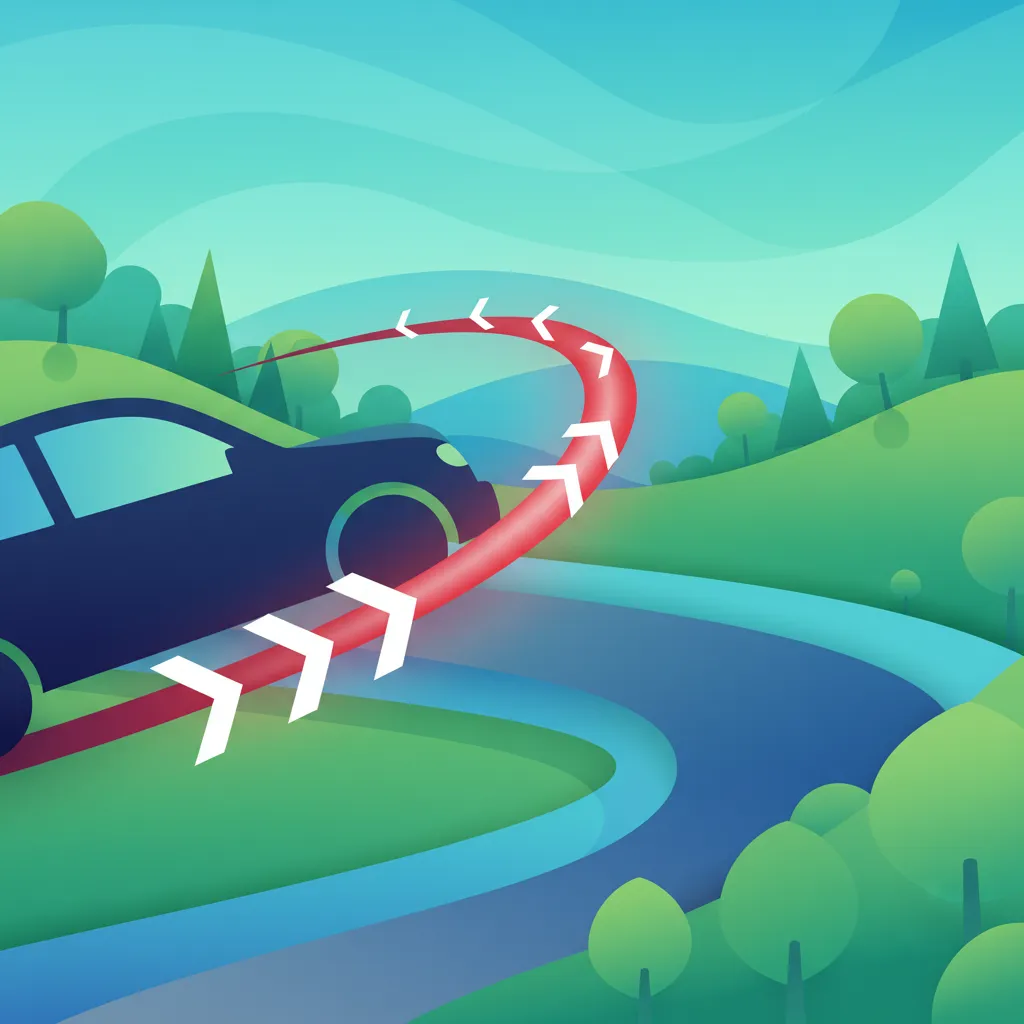
Braking distance refers to the distance your vehicle covers from the moment you actively press the brake pedal until it comes to a complete halt. This phase is crucial for avoiding collisions and managing vehicle control, especially when driving on Dutch roads. Unlike reaction distance, which involves your response time, braking distance focuses solely on the vehicle's physical stopping capability once braking has initiated.
Stopping distance is the total ground a vehicle covers from the moment a driver identifies a hazard until the vehicle comes to a complete stop. This critical concept is composed of two phases: the reaction distance and the braking distance. Mastering the distinction between these and how various factors influence them is essential for safe driving and performing well on your Dutch theory test.
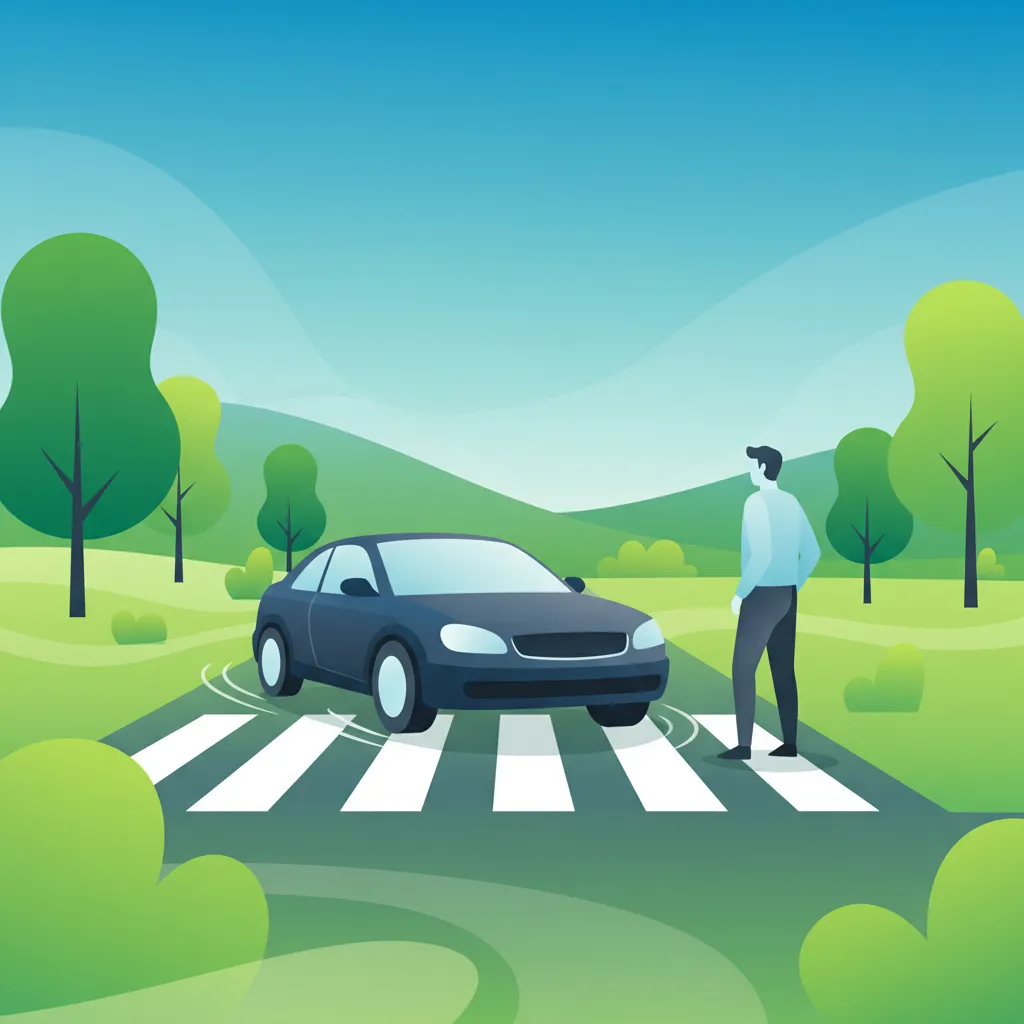
Pedestrian crossings, also known as zebra crossings, are designated areas designed to provide a safe passage for pedestrians and drivers of invalid carriages across the road. As a driver in the Netherlands, you have specific duties to ensure their safety. This page details your obligations, how to approach these crossings, and what priority rules apply, especially concerning vulnerable road users.
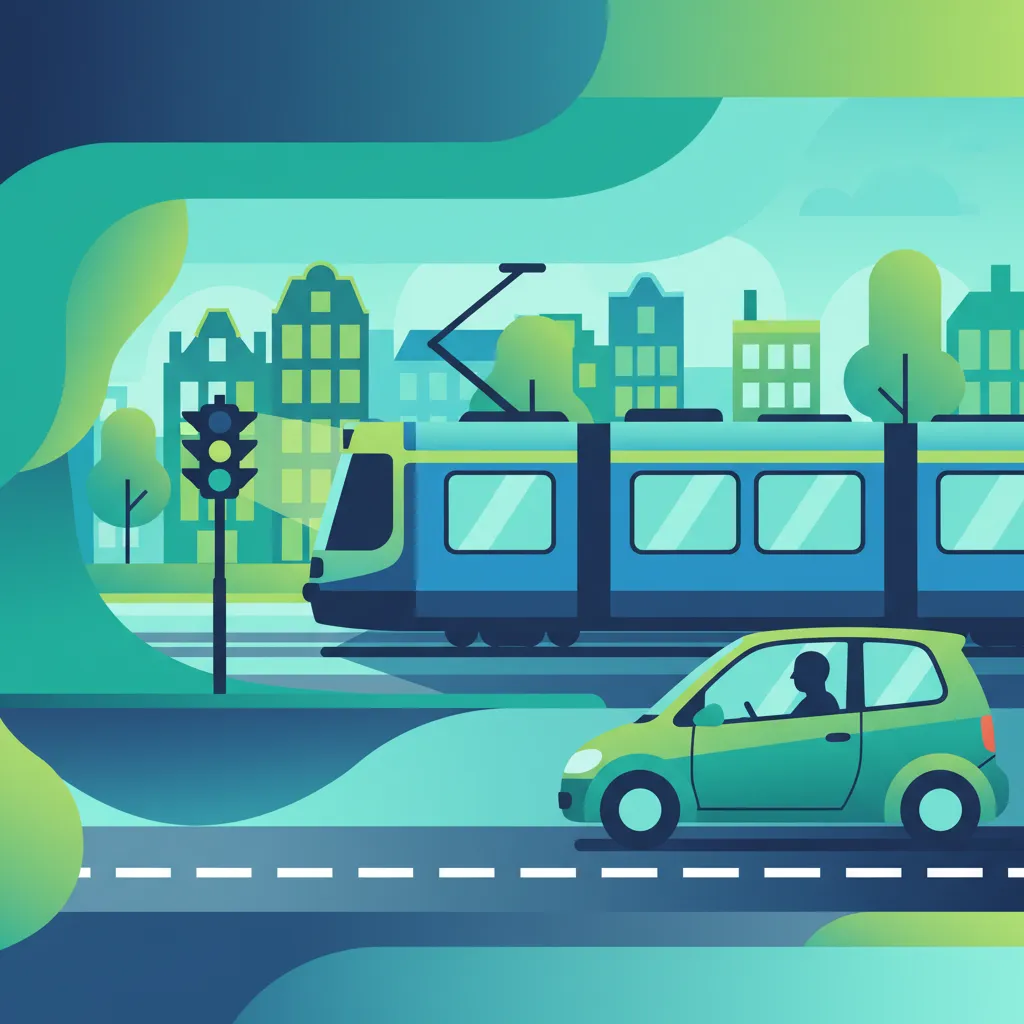
In the Netherlands, trams are an integral part of urban traffic, but they operate under special priority rules. Due to their fixed tracks and limited braking capabilities, drivers must understand when to yield to trams, particularly at intersections and during turning maneuvers. This page clarifies these essential rules to ensure safe interaction and preparation for your CBR exam.
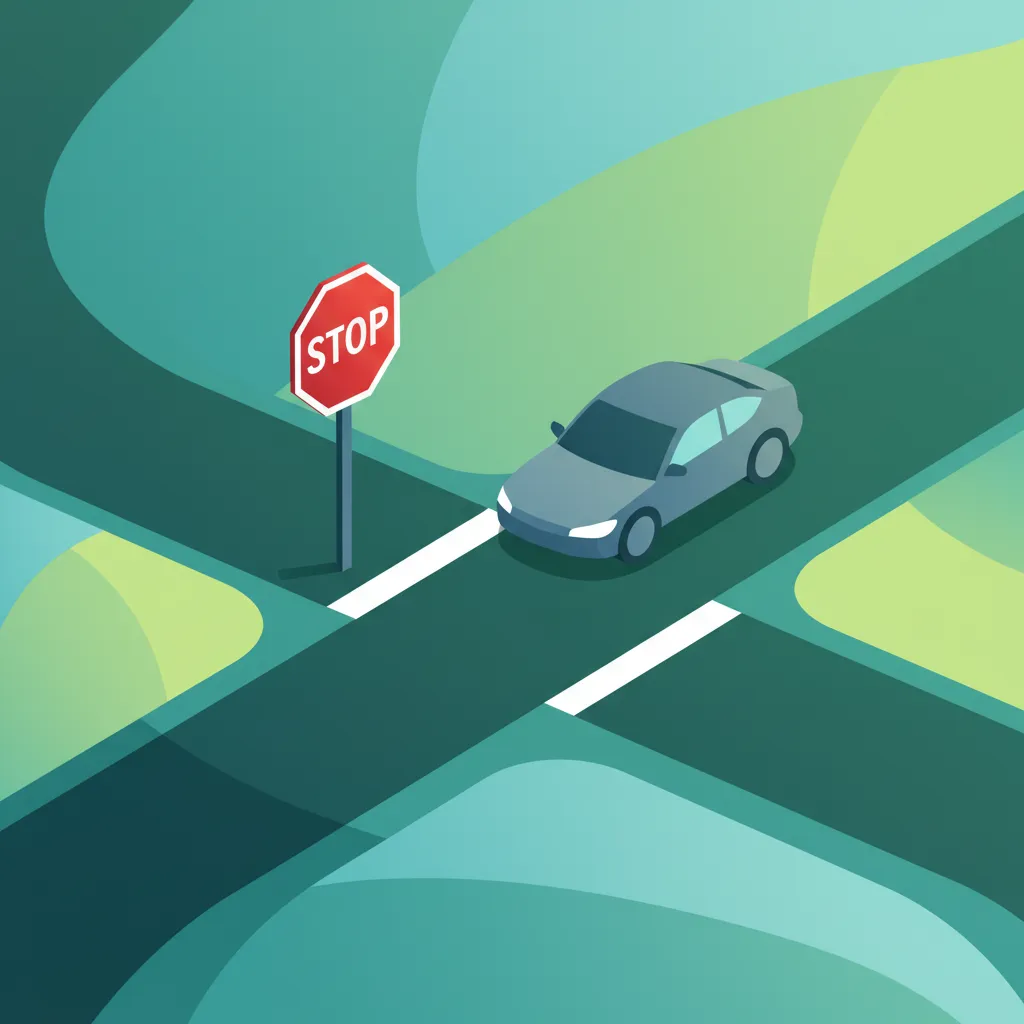
The stop sign (verkeersbord B07) is a fundamental regulatory sign in Dutch traffic, indicating that drivers must always come to a complete halt before proceeding. Unlike a give way sign, the stop sign demands a full stop even when the intersecting road appears clear. Mastering this rule is essential for road safety and passing your driving theory exam in the Netherlands.
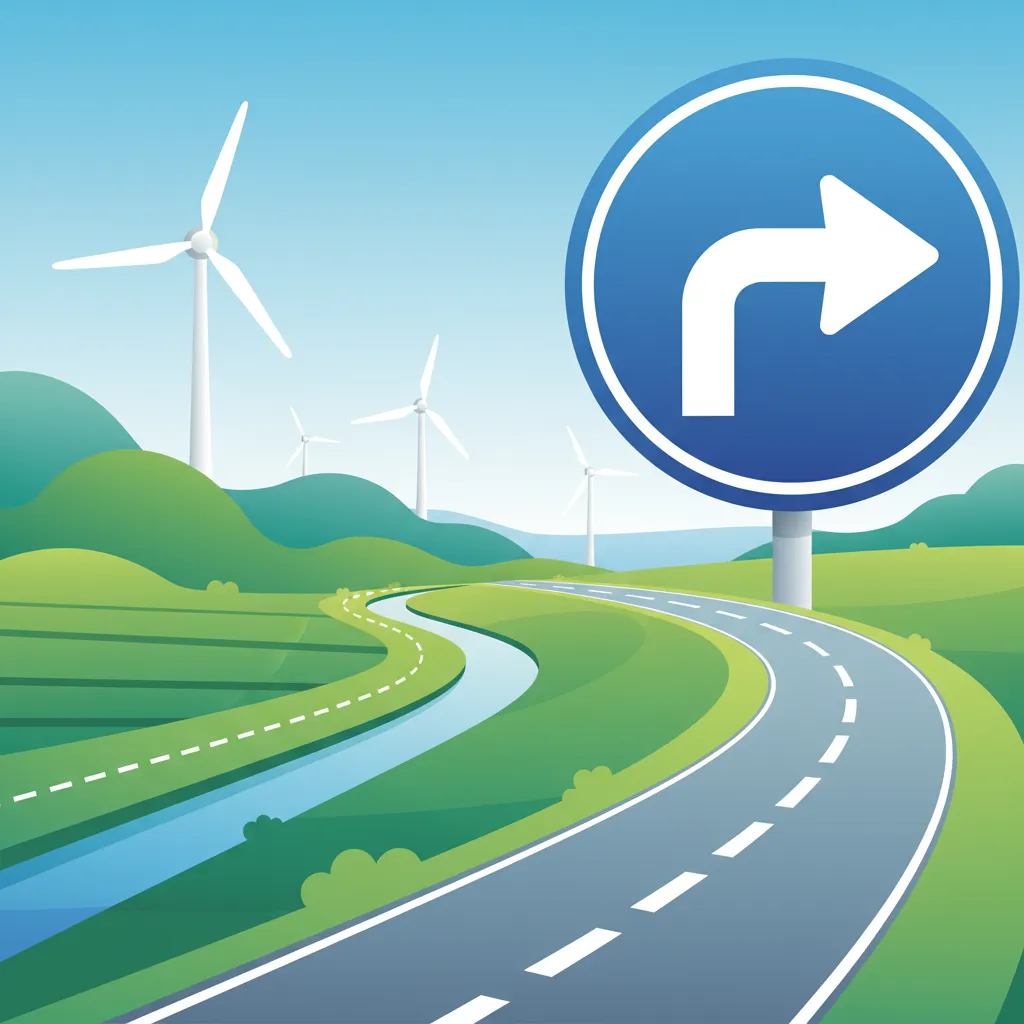
Mandatory traffic signs are crucial directives on Dutch roads, guiding drivers to perform specific actions rather than prohibiting them. Typically blue and circular with white symbols, they are essential for managing traffic flow at intersections, roundabouts, and dedicated lanes. Mastering these signs is fundamental for both road safety and success in your Dutch driving theory exam.
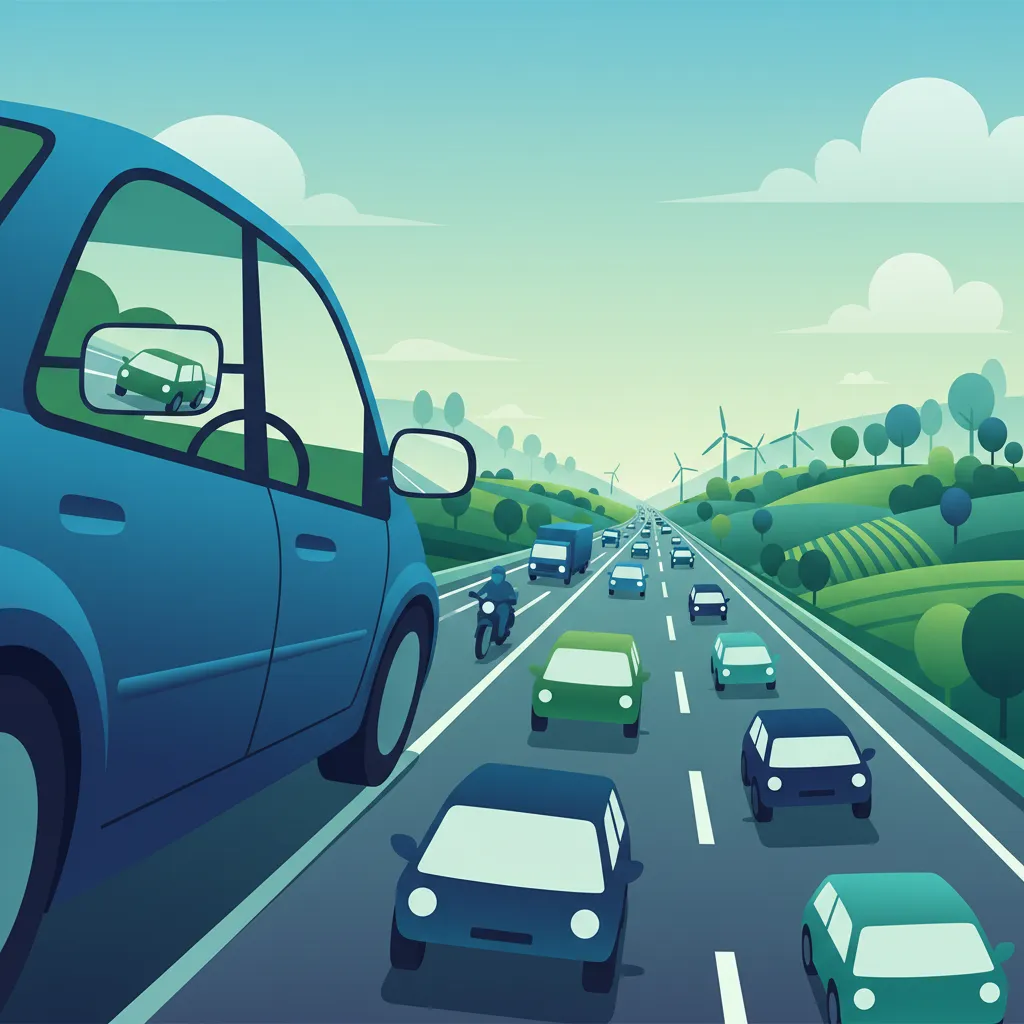
Entering a motorway means transitioning from a slower road environment to a high-speed traffic flow. This process requires careful attention to acceleration, observation, and giving way to ensure a smooth and safe merge. In the Netherlands, understanding how to use acceleration lanes effectively is key to integrating into fast-moving traffic without creating hazards.
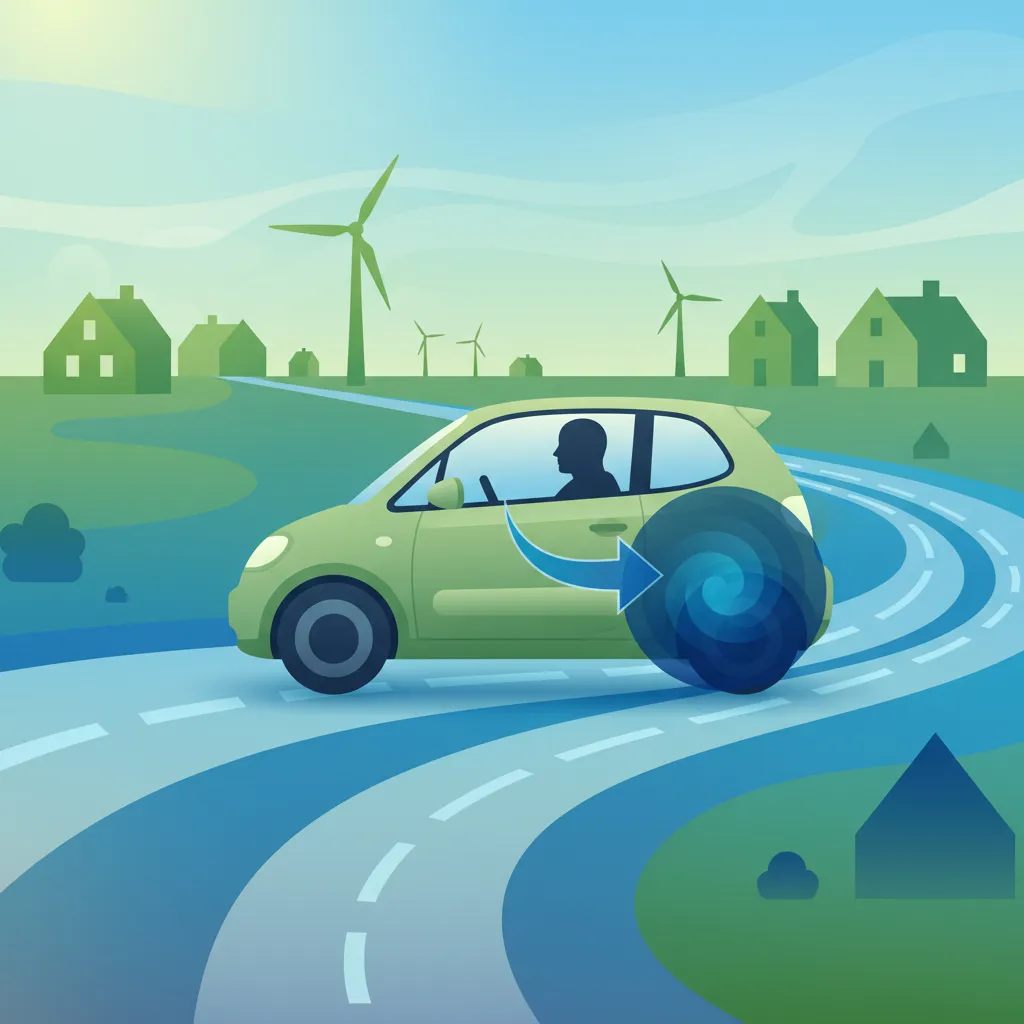
Changing lanes, or 'rijstrook wisselen' in Dutch, is a fundamental driving skill that involves moving your vehicle from one traffic lane to an adjacent one. In the Netherlands, this is legally considered a 'bijzondere manoeuvre' (special manoeuvre), meaning you must always give way to all other traffic and ensure you do not hinder any road users. Correct execution prevents accidents and maintains smooth traffic flow.
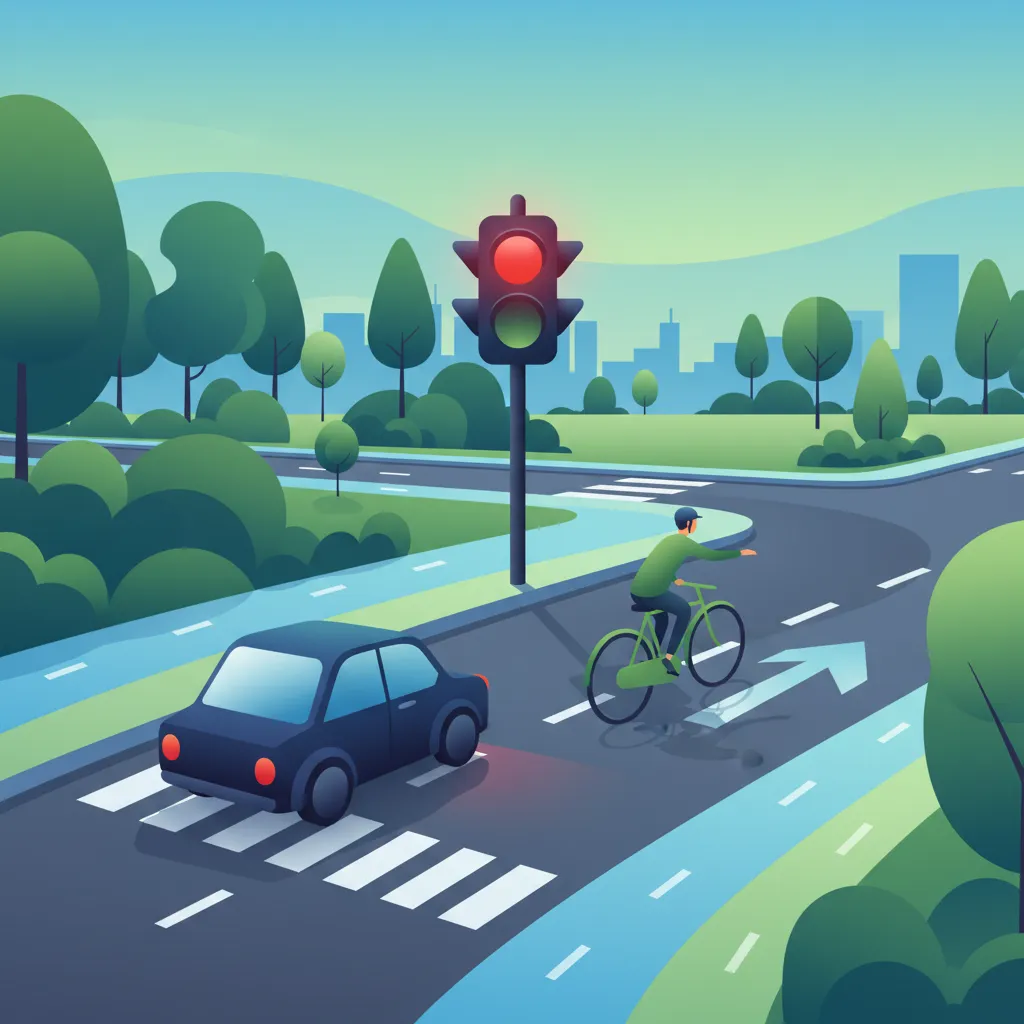
Traffic lights are essential for regulating traffic flow and ensuring safety at intersections throughout the Netherlands. This page details the specific meaning of red, yellow, and green signals, common variations like arrow lights, and crucial Dutch rules, such as the ‘yellow light dilemma’ and special provisions for cyclists. Knowing these rules is vital to prevent accidents and pass your theory test.
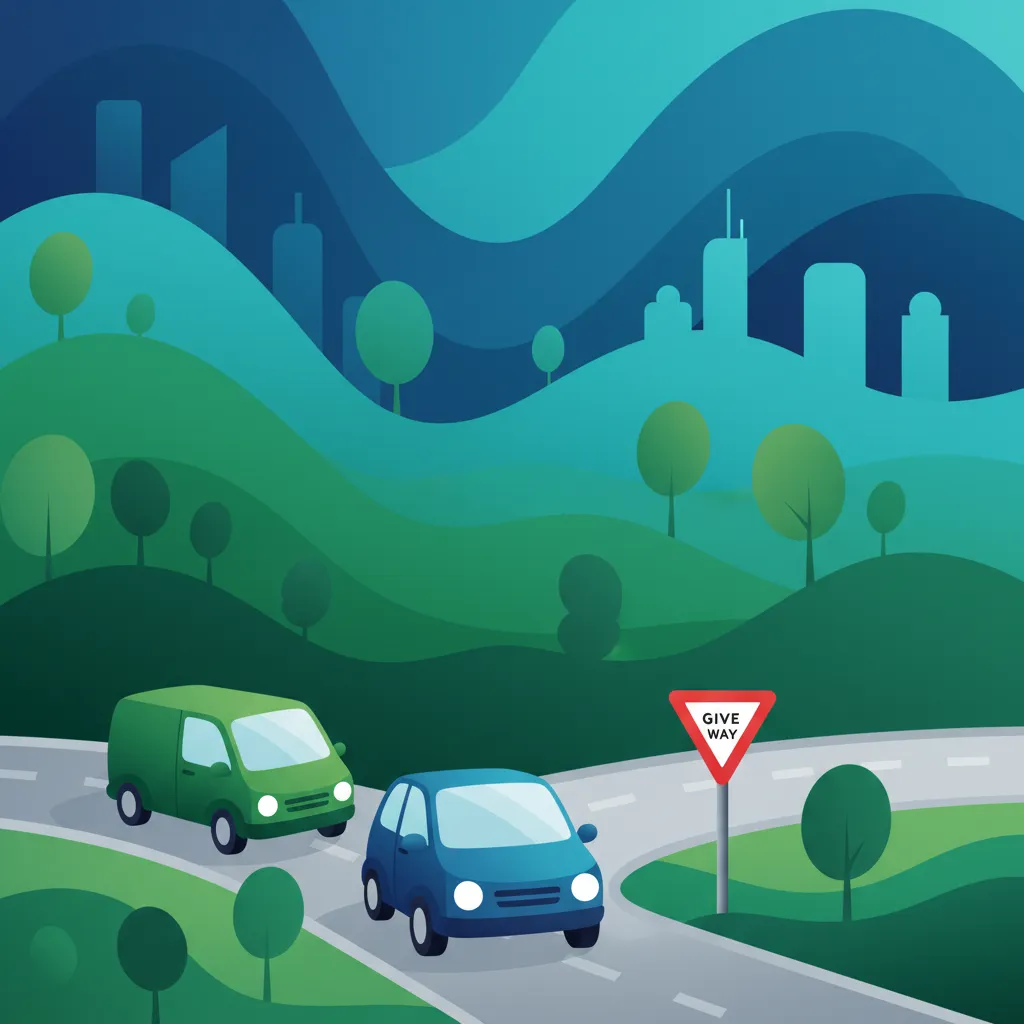
The 'Give Way' sign, known as B6 in the Netherlands, instructs drivers to yield priority to other traffic. Unlike a stop sign, it does not always require a full stop, but it demands careful observation and readiness to stop if necessary. This page explains when and how to give way, ensuring you understand this critical rule for both the theory exam and safe practical driving.
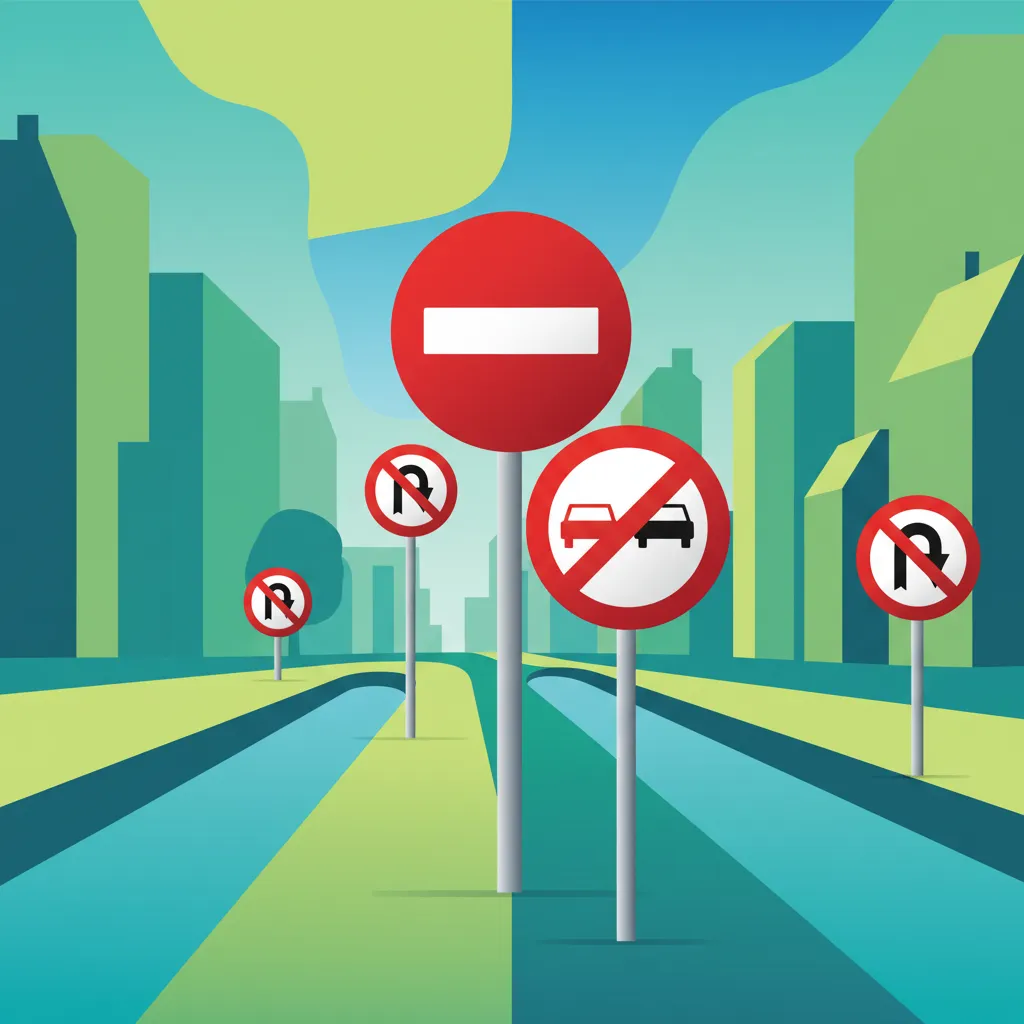
Prohibition signs are a fundamental category of traffic signs in the Netherlands, designed to clearly indicate actions that road users are not permitted to take. Recognizable by their distinctive shapes and colors, they enforce legal restrictions necessary for preventing dangerous situations and maintaining orderly traffic. Mastering their interpretation is essential for every driver, both for passing the CBR theory exam and for safe, compliant driving on Dutch roads.
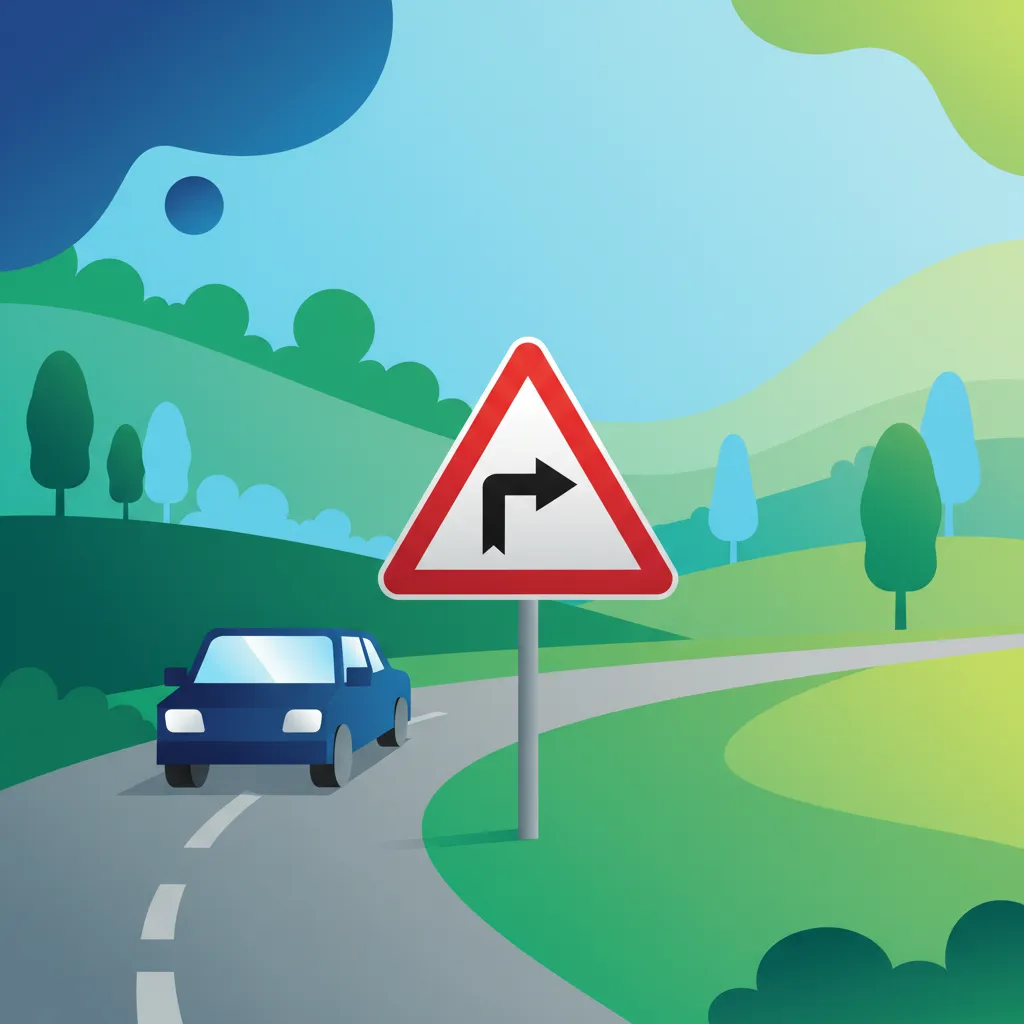
Warning signs are a fundamental part of road safety in the Netherlands, designed to prepare drivers for potential dangers or unusual conditions ahead. Unlike regulatory signs that enforce rules, warning signs serve to inform, giving you valuable time to react. Recognizing their distinct shape and understanding their message is key to proactive driving and a core component of Dutch driving theory.
Snow and ice dramatically alter road conditions, making them extremely hazardous. Reduced traction affects every aspect of driving, from braking and acceleration to steering and maintaining control. Understanding these challenges and how to adjust your driving is essential for preventing accidents and successfully navigating the Dutch theory test.
Page 1 of 3
Dive into our extensive collection of Dutch driving theory articles to deepen your understanding of traffic rules, road signs, and safe driving practices. Each guide provides valuable insights and clarifications essential for confidently preparing for your official CBR theory exam.
Dutch Driving Theory Articles