Use this category to finally make sense of Dutch traffic signs and road markings you encounter while studying and driving in the Netherlands. You will learn how each sign group works, how markings guide lane choice and priority, and how to avoid common misunderstandings. Clear explanations help you answer CBR theory questions correctly and apply the rules with confidence during everyday driving on Dutch roads.
This category offers in-depth articles that clarify the official Dutch traffic signs and road markings, essential knowledge for your driving theory exam. Each explanation helps you understand their specific meaning, legal application, and how they influence priority and safe driving behaviour on Dutch roads.
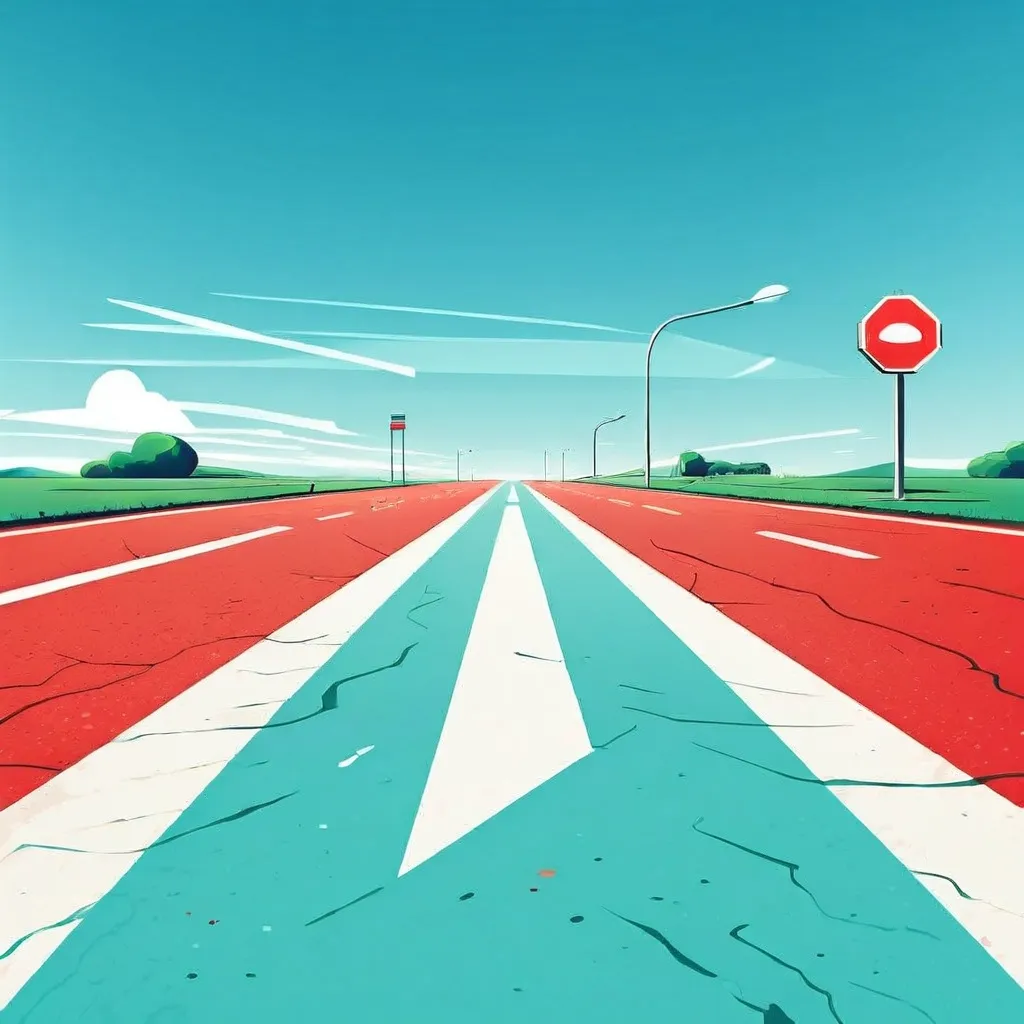
While broken lines generally indicate that lane changes or overtaking are permitted, their presence near intersections in the Netherlands introduces a critical nuance tested in the CBR theory exam. This article explains why safety, visibility, and priority rules take precedence, preventing overtakes even when a broken line is present.
Updated on Apr 13, 2026

On Dutch roads, distinguishing between lane signs that advise and those that mandate is crucial for compliant driving and passing your CBR theory exam. This article breaks down what advisory lane arrows and mandatory lane signs legally require, helping you navigate complex intersections and junctions with confidence and accuracy.
Updated on Apr 13, 2026
Navigating Dutch roads requires understanding various traffic signs, including those that offer advice rather than impose strict rules. This article focuses on advisory lane guidance signs, explaining their purpose and crucially, why they are non-binding. Mastering this distinction is essential for safe driving and for successfully passing your CBR theory exam, where accurately assessing driver obligation is key.
Updated on Apr 13, 2026

Navigate the complexities of Dutch traffic signs by clearly distinguishing between triangular warning signs and round mandatory signs. This article explains the specific shapes, colours, and behavioural implications of each type, directly addressing a common pitfall tested in the CBR theory exam. Understanding this fundamental difference is crucial for safe driving and exam success in the Netherlands.
Updated on Apr 13, 2026

Learn to distinguish between regulatory, warning, and information traffic signs in the Netherlands based on their shape and colour. This knowledge is fundamental for understanding traffic rules and anticipating hazards, directly preparing you for success on the CBR theory exam. Grasping these core sign types ensures you can navigate Dutch roads safely and confidently.
Updated on Apr 13, 2026

This essential guide breaks down Dutch road signs into their core categories: regulatory, warning, and informational. Understanding these distinctions based on shape and colour is vital for passing your CBR theory exam, as rapid recognition under pressure is tested. Learn how to interpret these signs correctly to navigate Dutch roads safely and confidently.
Updated on Apr 13, 2026

Learn to confidently interpret Dutch traffic signs by understanding their fundamental categories: prohibitory signs, hazard warnings, and directional information. This knowledge is vital for both passing your CBR theory exam and ensuring safe, compliant driving in the Netherlands. We'll clarify the common shapes and colours used, helping you recognise directives, warnings, and navigational aids quickly.
Updated on Apr 13, 2026

Navigate Dutch roads safely and confidently by mastering the meanings of surface markings. This article explains the legal implications of crossing lines, the function of priority triangles (often called 'shark teeth'), and how these road elements dictate lane discipline and right-of-way. Essential knowledge for safe driving and success on your Dutch theory exam.
Updated on Apr 11, 2026

Navigate Dutch roads with confidence by understanding the meaning of various lane markings and how they interact with priority rules. This article details how road surface lines, such as solid and broken lines, define road usage and guide traffic flow, directly preparing you for scenarios encountered in the CBR theory exam.
Updated on Apr 11, 2026
Discover other categories connected to Dutch Traffic Signs & Road Markings. These sections help you explore additional topics, expand your understanding of driving theory in Dutch, and build a more complete picture of the rules and situations tested during the exam.
Find answers to common questions learners ask about Dutch Traffic Signs & Road Markings. This section helps clarify difficult concepts, highlight critical exam information, and support your preparation for the Dutch driving theory exam in the Netherlands.
Warning signs (driehoekige borden met rode rand) alert you to potential dangers or specific road conditions ahead, requiring caution. Regulatory signs (ronde borden met rode rand or blauwe borden) impose specific rules or restrictions, such as speed limits or prohibitions, which you must obey.
Certain road markings, like 'shark teeth' (haaientanden), indicate that you must give way to traffic on the main road. Lane markings also define traffic flow and priority within intersections or junctions. Always observe road markings in conjunction with traffic signs.
Yes, temporary signs, often orange or yellow, indicate temporary situations like road works or events. They may override permanent signs and require extra vigilance as road conditions can change rapidly. Always prioritize temporary signage when encountered.
Key markings include centre lines, edge lines, solid vs. broken lines, pedestrian crossings, bicycle lanes, bus lanes, and directional arrows. Understanding their meaning is vital for correct lane positioning and yielding to other road users.
Thoroughly study the different categories of signs (warning, regulatory, informational, supplementary) and their meanings. Practice with our quizzes and review common sign combinations and potential confusions. Understanding how signs relate to road markings is also essential.
Continue your preparation for the Dutch CBR driving theory exam by exploring our complete index of article categories. Systematically review essential topics from road signs to legal requirements, ensuring you cover all knowledge areas for a confident test day. Start mastering Dutch traffic rules today.
Browse Theory Article Categories