The J20 'Danger of Skidding' road sign is a warning sign indicating that the road surface ahead may offer significantly less traction. This can be due to conditions like rain, ice, oil, or even accumulated leaves, especially after dry spells. Drivers must anticipate longer braking distances and take corners much more gently to avoid sliding, even with modern electronic aids.
This J20 warning sign highlights a section with significantly reduced road grip, demanding immediate speed adjustment and cautious driving. Mastering its meaning is crucial for theory test revision and understanding Dutch traffic rules to prevent skids.
The slippery road warning sign indicates a section where tyres may not grip the surface as usual. This can occur on polished asphalt, metal bridge decks, worn markings, or shaded areas that freeze quickly. It reminds drivers that electronic aids can help but cannot overcome physical limits. The sign is often placed on bends, slopes, or bridges where loss of control has happened before. Increasing following distance and planning every manoeuvre early are essential.
This sign warns that the road surface ahead can be slippery, with reduced grip and a higher risk of skidding. Conditions such as rain, ice, snow, oil, or wet leaves may make the vehicle harder to control. Drivers must lower speed in good time and use gentle steering, braking, and acceleration.
Get clear, practical answers to the most common questions about the J20 - Danger of Skidding road sign. Learn how the sign works, what rules it represents, and how it affects real driving situations. This FAQ strengthens your understanding and supports accurate decision making for the Dutch driving theory exam in the Netherlands.
The J20 sign means the road surface ahead is likely to be slippery, reducing your tyre grip. You need to be extra cautious with acceleration, braking, and steering to prevent your vehicle from skidding.
You should be particularly alert immediately after the first rain following a long dry period, as this washes oil and dirt onto the road, creating a very slick surface. Ice and dense leaf litter also pose significant risks.
When you see the J20 sign, you must avoid harsh acceleration or braking, as these actions can easily cause your wheels to lose traction and skid. Abrupt steering movements should also be avoided. Think smooth and gradual inputs.
Recommended actions include reducing your speed before bends, increasing the distance to the vehicle in front, and using smooth, gentle throttle and brake inputs. Always anticipate the reduced grip and drive defensively.
While often associated with rain or ice, the J20 sign warns of any condition that reduces grip. This can include oil spills, loose gravel, or even large amounts of fallen leaves, so always be prepared for a slippery surface.
Electronic aids such as ABS (Anti-lock Braking System) and ESP (Electronic Stability Program) can significantly help maintain control and reduce the risk of skidding, but they cannot defy the laws of physics. If the road is too slippery, even these systems may not be able to prevent a skid entirely. Therefore, driving with extreme caution and adapting your speed is still paramount.
A clear reference image of the J20 - Danger of Skidding road sign used in the Netherlands.
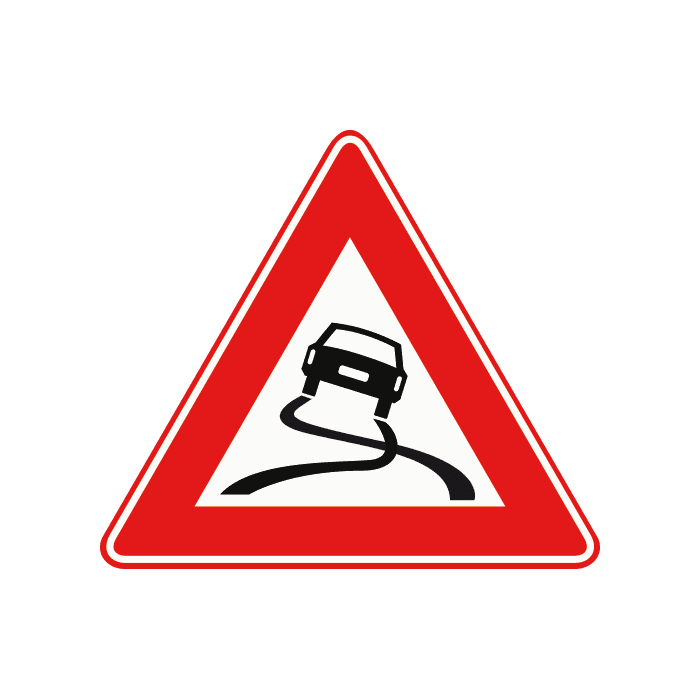
The J20 - Danger of Skidding road sign may also be known by these alternative names or terms.
The J20 - Danger of Skidding road sign is part of the Warning Signs (J) category, which groups together signs with similar rules and functions.
Master Dutch road signs by actively comparing this 'Danger of Skidding' sign with others that look similar. Effective traffic sign comparison aids recall and reduces errors during your theory test revision.
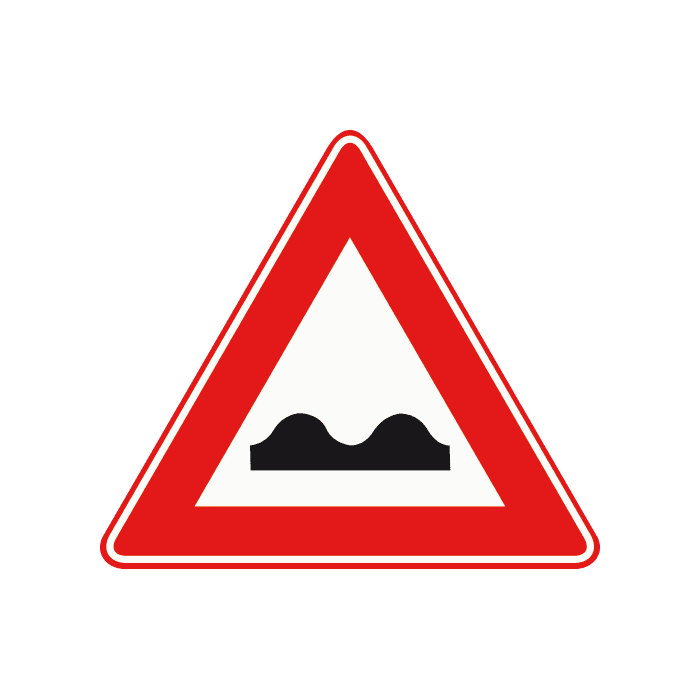
Prepare for Uneven Roads with the J1 Poor Road Surface Warning Sign
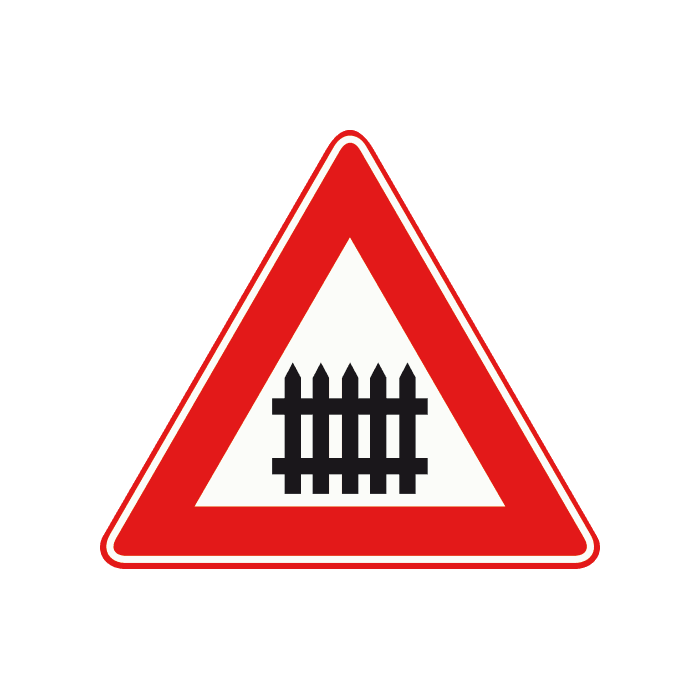
Understand the J10 Warning Sign for Level Crossings with Barriers
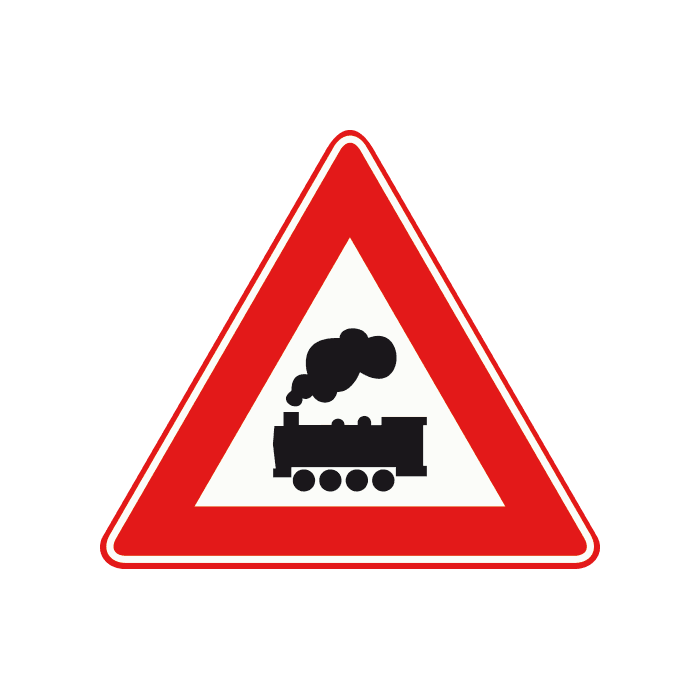
Prepare for ungated rail crossings with the J11 Level Crossing without Barriers sign.
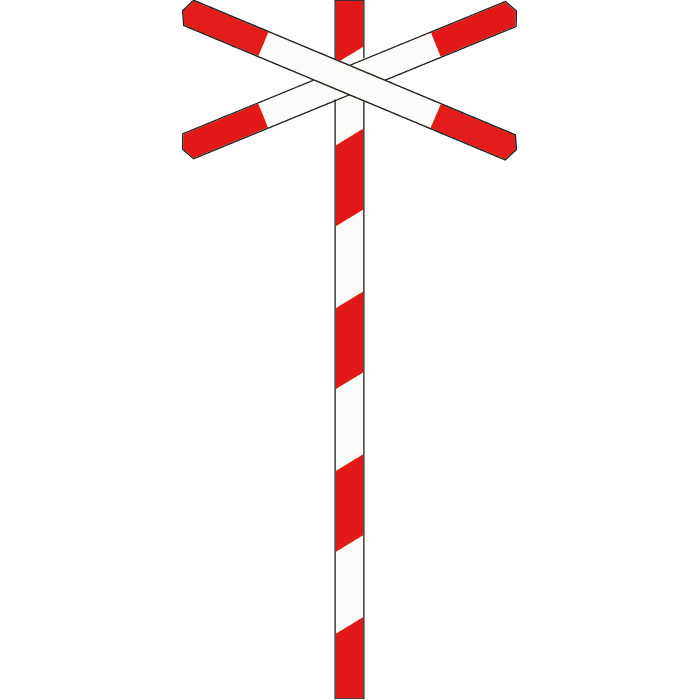
J12 Single St. Andrew’s Cross: Warning of a Single Railway Track Ahead
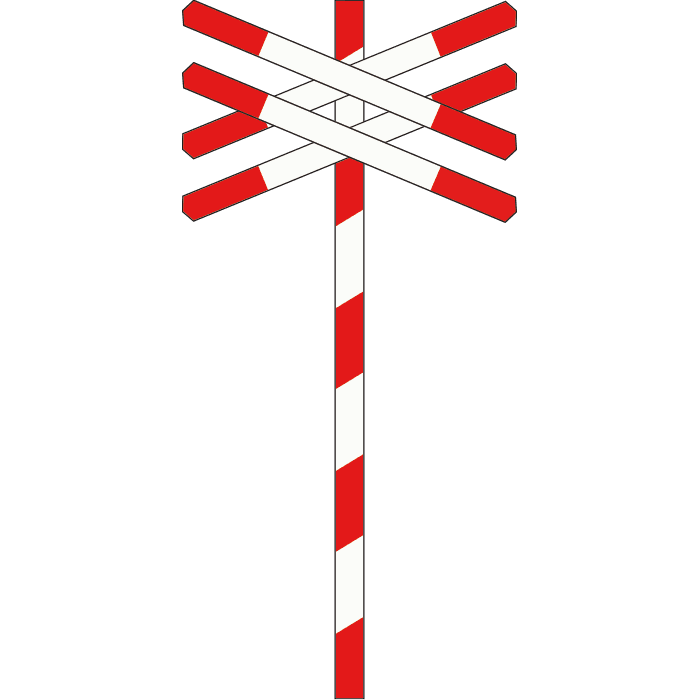
Prepare for the J13 Double St. Andrew’s Cross indicating multiple railway tracks ahead.
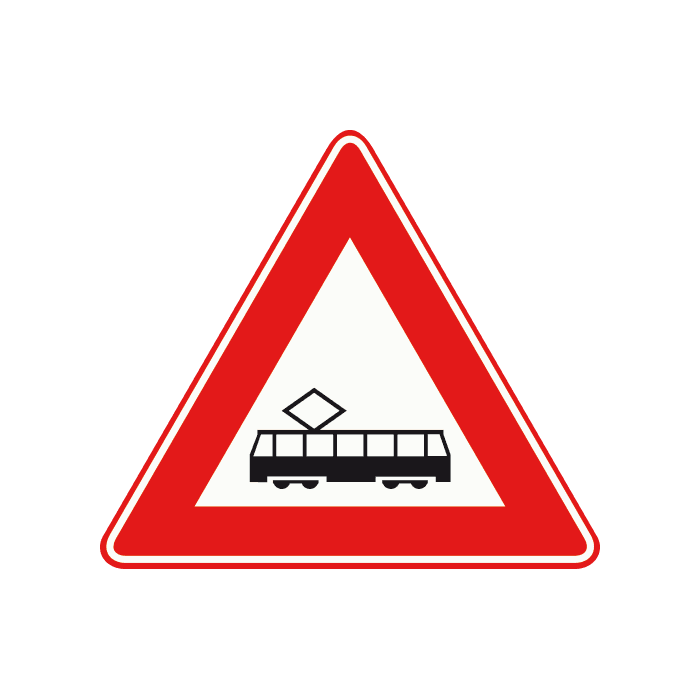
Prepare for the J14 Tram Crossing sign – a warning of potential hazards ahead.
After reviewing the full list of Dutch road signs, deepen your understanding by exploring signs organized by category or practicing with targeted questions. This systematic approach ensures you fully grasp every sign's meaning and application, preparing you thoroughly for your CBR driving theory exam.
View All Dutch Road Signs