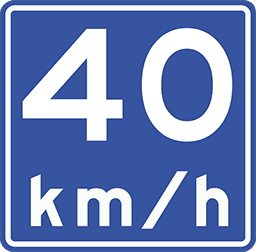
This blue rectangular sign, code A4, displays a recommended speed for the road ahead, such as before curves or merge points. It's not a legal limit but a suggestion for safe and comfortable travel based on local conditions. Always aim to drive near the advised speed when conditions permit, but remember to reduce your speed further if necessary for your safety.
This sign advises a recommended speed for the road ahead, often placed before bends or complex layouts to enhance safety and traffic flow. Grasping its meaning is crucial for your Dutch theory test revision, offering key insights into traffic sign interpretation and safe driving practices.
A rectangular blue sign with a white number advises a recommended speed for the road ahead. It is often placed before bends, exits or complex layouts where many drivers benefit from slowing to a similar speed. The value is advisory, so you may drive slower or slightly faster, provided you always stay within legal limits and conditions.
This sign recommends a safe and comfortable speed for the upcoming road section, based on typical conditions such as curves, gradients or merging traffic. It is not a strict legal limit, but it guides you to choose a speed that improves safety, comfort and traffic flow.
Get clear, practical answers to the most common questions about the A4 - Recommended Speed road sign. Learn how the sign works, what rules it represents, and how it affects real driving situations. This FAQ strengthens your understanding and supports accurate decision making for the Dutch driving theory exam in the Netherlands.
The A4 Recommended Speed sign (or advisory speed sign) is a blue rectangular sign with a white number. It advises drivers on a safe speed to travel, typically before hazards like sharp bends or complex junctions. It's a recommendation, not a legal maximum speed.
No, the A4 sign indicates a recommended speed, not a mandatory one. While it's wise to consider the advice for safe driving, you are not legally obligated to match that exact speed. You should always adjust your speed based on actual traffic, weather, and road conditions, potentially driving slower than recommended if needed.
You'll often find the A4 sign placed before sections of road where a lower speed is advisable for safety. This could be before sharp curves, merging traffic lanes, or areas with complex road layouts. It may also be placed after other warning signs to provide a specific speed suggestion for the hazard ahead.
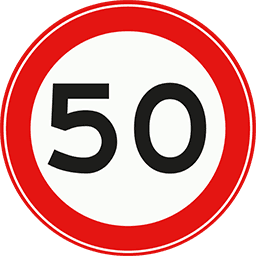
A speed limit sign, usually red and white, indicates the maximum legal speed you can drive in that zone. Exceeding it results in a fine. The A4 Recommended Speed sign (blue and white) is advisory; it suggests a speed for safety and comfort but is not a legal limit. You must still obey actual speed limits and drive according to conditions.
Yes, understanding the difference between recommended and mandatory speed limits is crucial for your Dutch theory exam. Examiners want to see that you can interpret advisory signs and adjust your driving behaviour appropriately for safety, rather than just looking for legal limits.
A clear reference image of the A4 - Recommended Speed road sign used in the Netherlands.
The A4 - Recommended Speed road sign may also be known by these alternative names or terms.
The A4 - Recommended Speed road sign is part of the Speed Signs (A) category, which groups together signs with similar rules and functions.
Comparing signs like the Recommended Speed with other speed-related traffic signs can significantly improve your recall and understanding. This focused review of similar road signs aids theory test revision by highlighting key distinctions, helping you avoid common mistakes during your exam preparation.
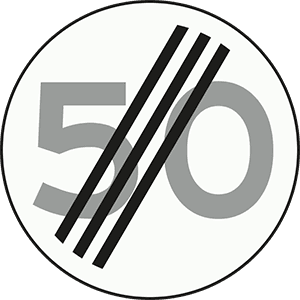
The A2 sign signals the end of a previously posted maximum speed limit.
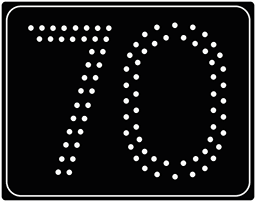
Dynamic Speed Limits: Obey the Electronic Signal Board!
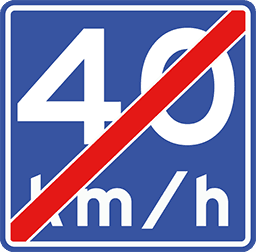
The A5 sign signals the end of the recommended speed, meaning normal rules apply again.
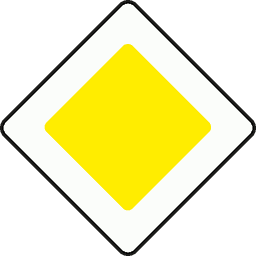
The B1 Priority Road sign means you have the right of way.
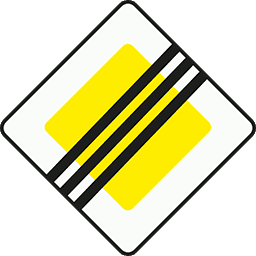
The B2 sign marks the end of your priority on the road.
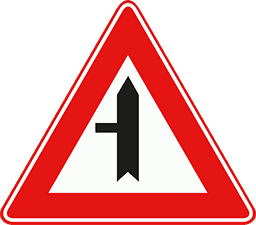
The B4 sign means traffic from the left must yield at this intersection.
After reviewing the full list of Dutch road signs, deepen your understanding by exploring signs organized by category or practicing with targeted questions. This systematic approach ensures you fully grasp every sign's meaning and application, preparing you thoroughly for your CBR driving theory exam.
View All Dutch Road Signs