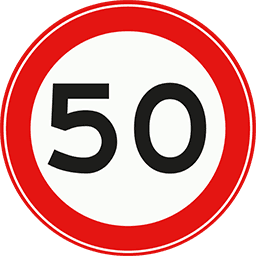
The A1 'Maximum Speed' road sign is a crucial prohibition sign you'll encounter in the Netherlands. It clearly indicates the highest legal speed you are permitted to drive from that point onwards. This circular sign with a red border and a black number remains in effect until you see an 'end of prohibition' sign or a new speed limit is introduced. Always adjust your speed to comply with this limit for safety and to pass your theory exam.
This sign dictates the highest legal speed you may travel; understanding its precise meaning is crucial for your theory test revision and safe road behaviour in Dutch traffic. Familiarise yourself with this key road sign interpretation to ensure compliance and avoid penalties.
A circular white sign with a red border and a black number displays the legal maximum speed that applies from the sign until another limit or an end sign changes it. It is used on all types of roads, including autosnelweg and autoweg, to control speed and improve road safety.
This sign shows the highest legal speed you may drive from this point onward on this road. You must adjust your speed so it never exceeds the number shown, while still slowing down further when traffic, weather, road layout or visibility make the situation more demanding or risky.
Get clear, practical answers to the most common questions about the A1 - Maximum Speed road sign. Learn how the sign works, what rules it represents, and how it affects real driving situations. This FAQ strengthens your understanding and supports accurate decision making for the Dutch driving theory exam in the Netherlands.
The A1 sign indicates the absolute maximum speed you can legally drive in kilometres per hour. Driving any faster than the number shown on the sign is prohibited and can lead to fines or penalty points. This speed limit applies from the point where the sign is placed until it is cancelled by another sign.
Upon seeing the A1 sign, you must immediately reduce your speed to the indicated limit or below. If you are already travelling at or below the limit, you must maintain that speed. Remember to also consider adverse weather conditions or heavy traffic, and it's often wise to drive even slower than the maximum limit in such situations.
The primary exception is if a matrix board displays a lower speed limit. In that case, the lowest limit shown always applies. Furthermore, the sign sets a maximum; you are allowed to drive slower than the indicated speed, especially if conditions warrant it, such as poor visibility or heavy traffic.
A common trap is thinking the sign indicates the recommended speed. It is a strict legal maximum. Another trap is forgetting that the limit remains in effect until explicitly cancelled by an 'end of prohibition' sign (often circular white with a diagonal black bar) or a new speed limit sign. Always look ahead for subsequent signs.
The maximum speed indicated by the A1 sign remains in force until you encounter a sign that cancels this prohibition. This is typically a circular white sign with a diagonal black bar (E22 or similar, depending on the country's specific signage) or a new speed limit sign that replaces the previous one.
A clear reference image of the A1 - Maximum Speed road sign used in the Netherlands.
The A1 - Maximum Speed road sign may also be known by these alternative names or terms.
The A1 - Maximum Speed road sign is part of the Speed Signs (A) category, which groups together signs with similar rules and functions.
Mastering Dutch speed limits involves understanding how different signs relate. Comparing this maximum speed sign with others, like variable speed limits or end-of-limit signs, sharpens your sign recognition and aids theory test revision.
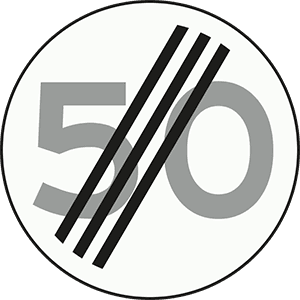
The A2 sign signals the end of a previously posted maximum speed limit.
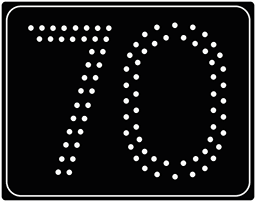
Dynamic Speed Limits: Obey the Electronic Signal Board!
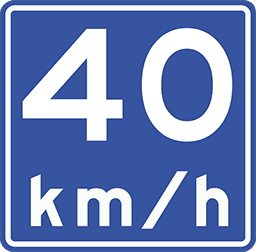
The A4 Recommended Speed sign advises a safe speed for current road conditions.
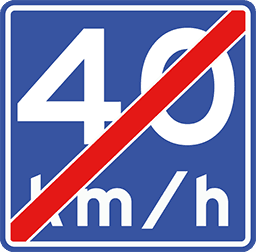
The A5 sign signals the end of the recommended speed, meaning normal rules apply again.
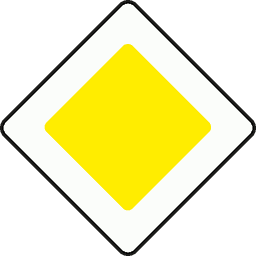
The B1 Priority Road sign means you have the right of way.
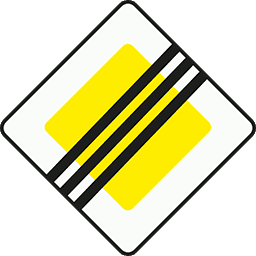
The B2 sign marks the end of your priority on the road.
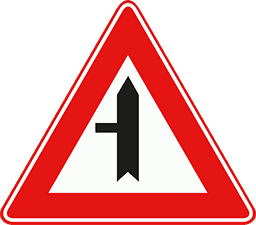
The B4 sign means traffic from the left must yield at this intersection.
After reviewing the full list of Dutch road signs, deepen your understanding by exploring signs organized by category or practicing with targeted questions. This systematic approach ensures you fully grasp every sign's meaning and application, preparing you thoroughly for your CBR driving theory exam.
View All Dutch Road Signs